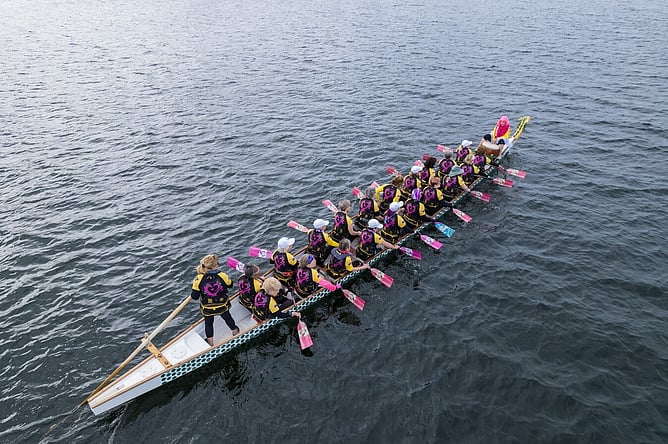
Paddling Strong After Breast Cancer
Coaching a breast cancer survivor crew is one of the most rewarding roles in our sport. Research shows that vigorous, repetitive upper-body exercise like paddling is safe after breast cancer treatment. Exercise is medicine, and the coach helps deliver the dose. These tips below are the simple things that I have learnt as being both a paddler/team captain/manager and now as a coach and will help every paddler in your boat train safely, progress steadily and enjoy the water.
Ten tips for coaches
Start with a conversation. Ask each new paddler about their treatment, surgery, energy levels and any limits their medical team has set. Encourage medical clearance before they start and keep what they share confidential.
Warm up longer than you think. Ten to fifteen minutes of gentle mobility for the shoulders, chest, back and trunk prepares tissue affected by surgery or radiation. Finish every session with a cool-down and gentle stretching.
Build up gradually. Increase time, distance and intensity in small steps over weeks, not days. A slow, steady progression is the best protection against injury and lymphoedema flare-ups.
Know the signs of lymphoedema. Teach paddlers to watch for swelling, heaviness, tightness or aching in the arm, hand or chest. Paddlers who have been prescribed a compression garment should wear it as their health professional advises.
Coach rotation, not arms. Good technique drives the stroke from the legs, hips and trunk. Twisting from the core spreads the load away from the shoulders and arms, and it makes the boat faster too.
Respect individual limits. Treatment can affect range of motion, bone density, balance and stamina. Offer modified strokes, seat changes and rest pieces without fuss, so that taking a break never feels like failing.
Mind fatigue and recovery. Cancer-related fatigue is real and can last for years. Plan easier sessions after hard ones, and welcome paddlers who need to sit out a piece.
Protect against sun and heat. Many paddlers have treatment-sensitive skin. Build in water breaks, shade and sunscreen, and allow water bottles in the boat.
Make safety routine. Brief capsize drills, buoyancy aids and on-water communication clearly, and repeat them until they are second nature for every paddler.
Celebrate every milestone. A first full session, a first race or a return after recurrence all deserve recognition. Progress is personal, not just a split time.
More than technique
Many survivors arrive believing they are not athletes. A good coach helps them discover what their bodies can still do and lets them rebuild trust in them. Create a crew where every paddler, whatever their age, ability or stage of treatment, has a place in the boat. When in doubt about a medical question, refer it to the paddler’s own health team or to the IBCPC Medical Advisory Panel’s guidance.
Submitted by Meri Gibson