Breast Cancer Dragon Boat Paddling: Empowerment and Community at Participatory Festivals
Uniting Survivors and Supporters Through Sport, Culture, and Celebration.
Submitted by Meri Gibson, IBCPC Global President.
Breast cancer dragon boat paddling has emerged as a powerful movement, bringing together survivors, supporters, and communities around the globe. In Central and Latin America, where vibrant cultures and warm communities thrive, participatory festivals centred around dragon boating have become catalysts for healing, empowerment, and awareness. This article explores the significance, growth, and impact of breast cancer dragon boat paddling at festivals throughout the region.
Symbolism of Dragon Boat Paddling
In the late 20th century, this sport has evolved into a unique form of therapy and camaraderie for breast cancer survivors. The paddling motion, combined with group synchronisation, is now widely recognised for its physical and emotional benefits, countering lymphedema and providing a sense of unity among survivors.
Empowerment and Healing Through Sport
For many breast cancer survivors, dragon boat paddling is more than a sport; it is a means of reclaiming physical strength and emotional resilience. The rhythmic paddling helps restore upper body mobility, often affected by surgery or treatment. The sense of belonging to a team, working in harmony towards a shared goal, bolsters self-confidence and fosters friendships that extend beyond the water.
Latin American festivals often incorporate wellness workshops, educational seminars, and support circles, providing an integrated approach to survivorship. These activities address not only the physical, but also the psychological aspects of recovery, helping participants and their families navigate the challenges posed by cancer.
Raising Awareness and Reducing Stigma
One of the most profound impacts of these festivals is the increased public awareness they foster. Dragon boat events draw in local communities, media, and health organisations, creating platforms for dialogue about early detection, access to treatment, and the importance of ongoing support. In regions where stigma around cancer remains, these festivals help break down barriers, promoting open conversation and understanding.
Participatory Events Between IBCPC Festivals
The International Breast Cancer Paddler's Commission (IBCPC) festivals, held every four years, are monumental events that bring together breast cancer survivors, supporters, and advocates from around the world. These festivals celebrate the strength and resilience of those affected by breast cancer and promote awareness, research, and support.
To maintain the momentum and foster continuous engagement, we at IBCPC believe it is essential to have participatory events between the IBCPC festivals. These events can serve as vital touch points for the breast cancer community, providing opportunities for collaboration, education, and support. By organizing regular participatory events, the IBCPC can ensure that the spirit of the 4 yearly festivals is sustained and that the community remains connected and empowered.
Benefits of Regular Participatory Events
Continuous Engagement: Regular events keep the community engaged and motivated, ensuring that the momentum from the festivals is not lost.
Collaboration and Networking: These events provide a platform for survivors, supporters, and advocates to collaborate, share experiences, and build networks.
Education and Awareness: Participatory events can include workshops, seminars, and awareness campaigns that educate the public and promote early detection and treatment of breast cancer.
Support and Empowerment: Regular gatherings offer emotional and psychological support to survivors and their families, fostering a sense of belonging and empowerment.
Global Participation
To maximise the impact, these participatory events should be organized globally, with a focus on regions with the largest number of breast cancer teams, such as North, Central, and South America. By doing so, the IBCPC can leverage the strengths of these regions and ensure that the benefits of the events are widely distributed.
Global Comparison of Breast Cancer Teams
Recent statistics highlight the significant growth of breast cancer teams worldwide, with notable concentrations in North, Central, and South America. These regions have become hubs for breast cancer research, treatment, and support services, reflecting a strong commitment to combating the disease and providing comprehensive care to patients.
In North America, the United States and Canada have established numerous specialized breast cancer centers that offer cutting-edge treatments and support services. Central America, including countries like Mexico and Panama, has also seen a rise in the formation of breast cancer teams, driven by increased awareness and advocacy efforts. South America, with countries such as Brazil and Argentina, continues to expand its network of breast cancer teams, focusing on both urban and rural areas to ensure widespread access to care.
Comparatively, Europe has a well-established network of breast cancer teams, particularly in countries like the United Kingdom, Germany, and France. These teams are often integrated into national healthcare systems, providing patients with access to advanced treatments and support services. In Asia, countries such as Japan, South Korea, and China are making significant strides in breast cancer care, with increasing numbers of specialized teams and centers dedicated to the disease.
Australia and New Zealand also have robust breast cancer teams, with a strong emphasis on research and patient support. These countries have implemented comprehensive breast cancer programs that include early detection, treatment, and survivorship care.
Dragon Boat Festivals in Central and Latin America
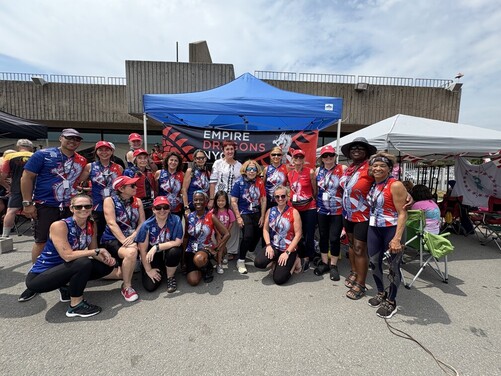
In recent years, countries such as Mexico, Colombia, Costa Rica, Chile, Argentina, Brazil, and Panama have hosted participatory dragon boat festivals dedicated to breast cancer awareness and survivor support. These festivals, often held on scenic lakes and rivers, invite teams from diverse backgrounds to compete in friendly races. Beyond the competition, the atmosphere is one of celebration, embracing Latin American music, dance, food, and traditional crafts.
Participatory festivals differ from traditional sporting events by encouraging mass involvement—anyone interested, regardless of skill or experience, is welcomed onto the boats. This inclusivity strengthens community bonds and ensures that survivors are surrounded by a robust support network.
We see this region as critical in the development and growth of IBCPC teams. Of the over 400 teams in our membership half of them are in this region and this is why we see this as a critical hub for regional events between festivals.
Stories of Hope and Solidarity
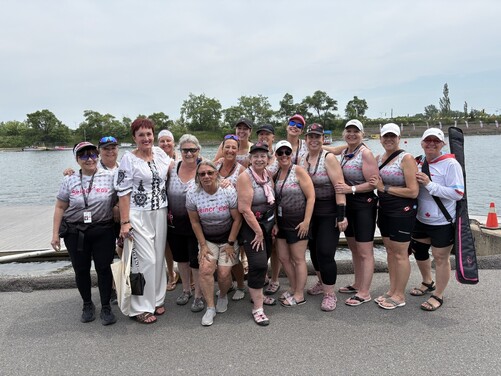
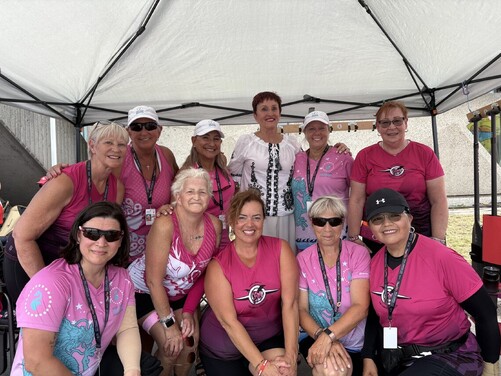
Personal stories abound at these festivals—women (and men) who once faced cancer diagnoses now paddle with determination, cheered on by families, friends, and fellow survivors. The act of paddling together becomes a living metaphor for resilience: every stroke propels the team forward, symbolising collective strength in the face of adversity.
Many teams adopt symbolic names and decorate their boats with pink ribbons and local motifs, blending international breast cancer awareness symbols with the rich visual languages of Central and Latin American cultures. Community performances, art installations, and commemorative ceremonies often form part of the festivities, celebrating survivorship and honouring those lost.
Looking Ahead: Expanding the Movement
As the popularity of breast cancer dragon boat paddling continues to grow in Central and Latin America, more cities and communities are establishing teams and hosting festivals. Partnerships with hospitals, NGOs, and advocacy groups are increasing access to the sport, ensuring that survivors from all walks of life can participate.
There is hope that these participatory festivals will not only continue to offer healing and joy but also inspire long-term improvements in cancer care, community health, and social inclusion throughout the region.
Conclusion
Breast cancer dragon boat paddling festivals in Central and Latin America are vibrant celebrations of life, resilience, and community. By blending sport, culture, and advocacy, they offer survivors a transformative path towards healing while raising awareness and forging solidarity across borders. As the movement grows, we will be working closely with our Regional Co-ordinators and National Representatives in this region to help to grow teams and promote participatory events between the four yearly festivals. Our work plans and strategic thinking for IBCPC and its member teams stands as a testament to the enduring human spirit and the unifying power of paddling together.